
← ALL SERVICES · 06
API & backend
Node.js and Laravel services that carry the load — REST APIs, payment flows, queues and websockets, built with the failure cases handled before launch, not after.
NODE.JS · LARAVEL · REST · QUEUES · WEBSOCKETS
WHAT WE BUILD
REST APIs
Versioned resources, predictable status codes, pagination that holds up under real data. Node.js or Laravel, documented with OpenAPI so your frontend team never guesses.
Payment integrations
Checkout, subscriptions, refunds and webhooks against the gateways your market uses — idempotent handlers and reconciliation, because money code fails loudly or not at all.
Third-party integrations
CRMs, logistics, KYC, messaging — whatever your product depends on. We wrap flaky vendor APIs behind clean interfaces with retries, timeouts and a paper trail.
Real-time systems
Websockets for live pricing, chat and presence — the pattern behind ARTHURMAURICE. Connection state, reconnects and fan-out handled server-side, so clients stay simple.
Queues & background jobs
Emails, exports, media processing and scheduled work moved off the request path — Redis-backed queues with retries, dead-letter handling and failures you can actually see.
Inherited backends
We take over APIs other teams left behind — instrument first, stabilise second, then refactor with tests as leverage. No rewrite pitch unless the numbers demand one.
HOW IT RUNS
01
Contract first
We write the API spec and error model before code — endpoints, payloads, failure states — and review it with the team that will consume it.
02
Walking skeleton
A deployed skeleton with auth, one real endpoint and CI in the first week — so integration problems surface at the start, not the end.
03
Build the ugly paths
Endpoints land with tests for duplicate webhooks, dropped connections and vendor timeouts — plus load checks on every merge.
04
Instrumented handover
Ship with dashboards, alerts and runbooks in place. You get the repo, the docs and a team that answers for every decision in it.
MOXAT
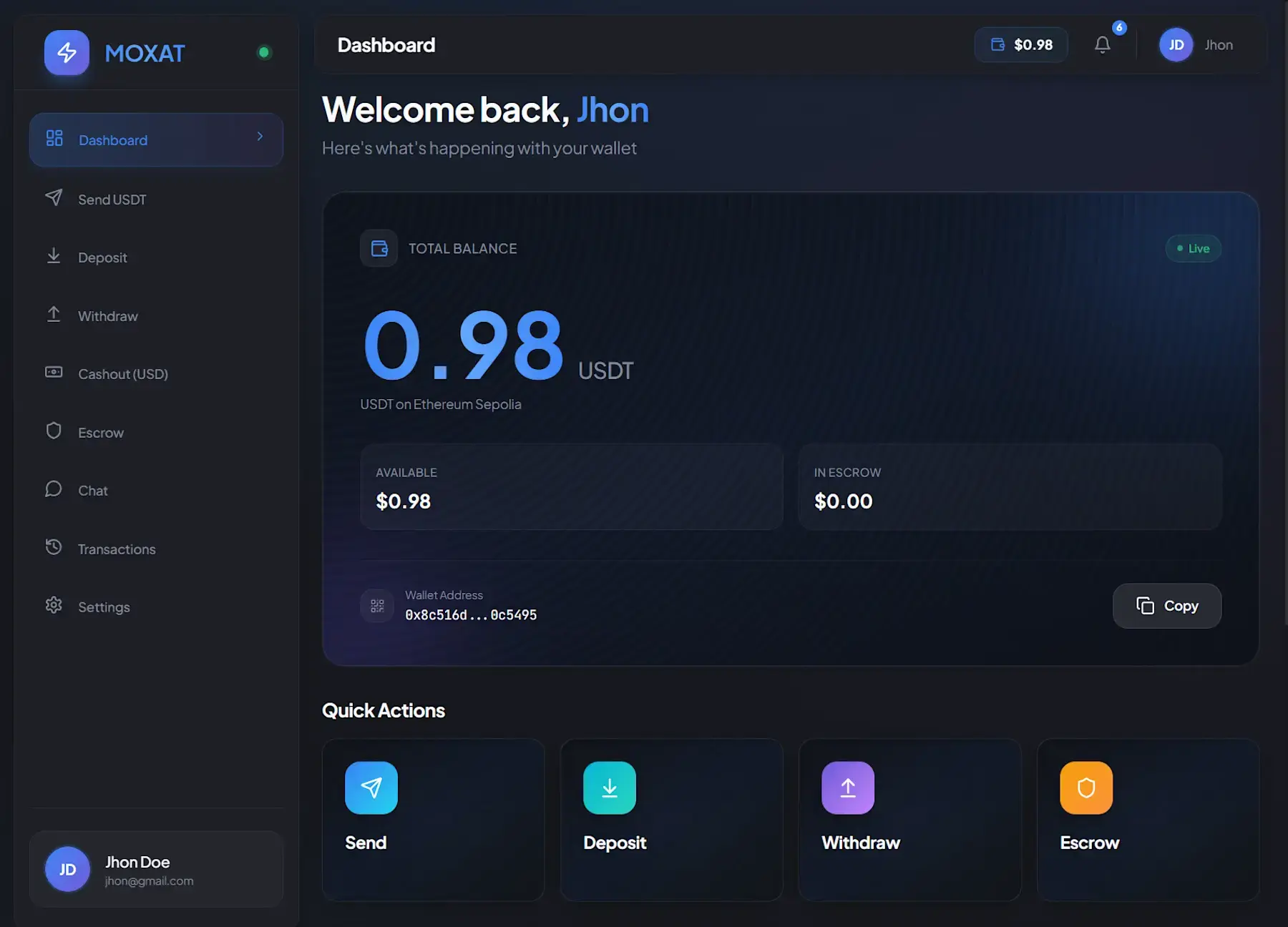
Custodial USDT payments and escrow for high-trust transactions — wallet infrastructure, automated escrow workflows, dispute-safe release. Money that moves only when the pattern says so.
DISPUTE PATH — FUNDS HOLD → ARBITRATED RELEASE

ARTHURMAURICE
Multi-vendor auction marketplace with real-time bidding and auction-state tracking that stays correct under contention.
STRAIGHT ANSWERS
How do you price API work?
Fixed scope gets a fixed quote; evolving scope runs on a monthly retainer with a named team. Either way you see the estimate broken down by endpoint and integration before we start — and we flag scope drift the week it happens, not at invoice time.
How long does a backend build take?
Depends on surface area — a single payment integration is weeks, a full backend with queues and websockets is months. We give a milestone plan in the first proposal and a deployed skeleton in week one, so you can judge our pace against something real, early.
Who owns the code?
You do — full IP assignment on final payment, everything in your repositories from day one if you prefer. No proprietary frameworks, no license lock-in: it's standard Node.js or Laravel that any competent team can maintain after we're gone.
What happens after launch?
Your call. Some clients take the handover pack — docs, runbooks, dashboards — and run it themselves; others keep us on a maintenance retainer for upgrades, vendor API changes and the pager. We build the same either way: the code never assumes we'll be around to explain it.