← ALL SERVICES · 02
Custom software
The software your operation actually runs on — school, hotel, HRM, recruitment and shipping platforms, crowdfunding, Salesforce. Architecture and integrations first, because that is where custom systems live or die.
NEXT.JS · NODE · POSTGRES · SALESFORCE · APEX
WHAT WE BUILD
School & hotel management
Admissions, timetables, fees, bookings, housekeeping, night audit — the daily machinery of a school or hotel in one system the front desk actually opens.
HRM & recruitment
Employee records, leave, payroll runs, pipelines from job post to offer letter — role-based access throughout, because HR data is the data you least want leaking.
Shipping & logistics
Consignments, manifests, carrier rates and tracking events in one ledger — reconciled against what carriers actually report, not what the spreadsheet hoped.
Crowdfunding platforms
Campaigns, pledges, payouts and the failure paths between them — money states modeled explicitly, so a refund is a transition, not an incident.
Salesforce engineering
Custom objects, Apex, flows and the sync jobs that keep Salesforce honest with the rest of your stack — treated as engineering, not configuration clicking.
Integrations
Payment gateways, SMS, accounting exports, biometric devices, carrier APIs — the seams where custom systems usually fail, specified and tested like first-class features.
HOW IT RUNS
01
Domain mapping
We sit with the people who run the operation — registrars, front desk, HR, dispatch — and write down the real workflow, exceptions included.
02
Data model first
Entities, states and permissions on paper before any screen — a fee, a booking, a consignment each get an explicit lifecycle.
03
Integrations early
Payment gateways, carrier APIs, Salesforce sync — wired in the first weeks against real sandboxes, because these are where estimates die.
04
Parallel run
The system runs beside the old process until the numbers match, then we hand over code, docs and admin keys.
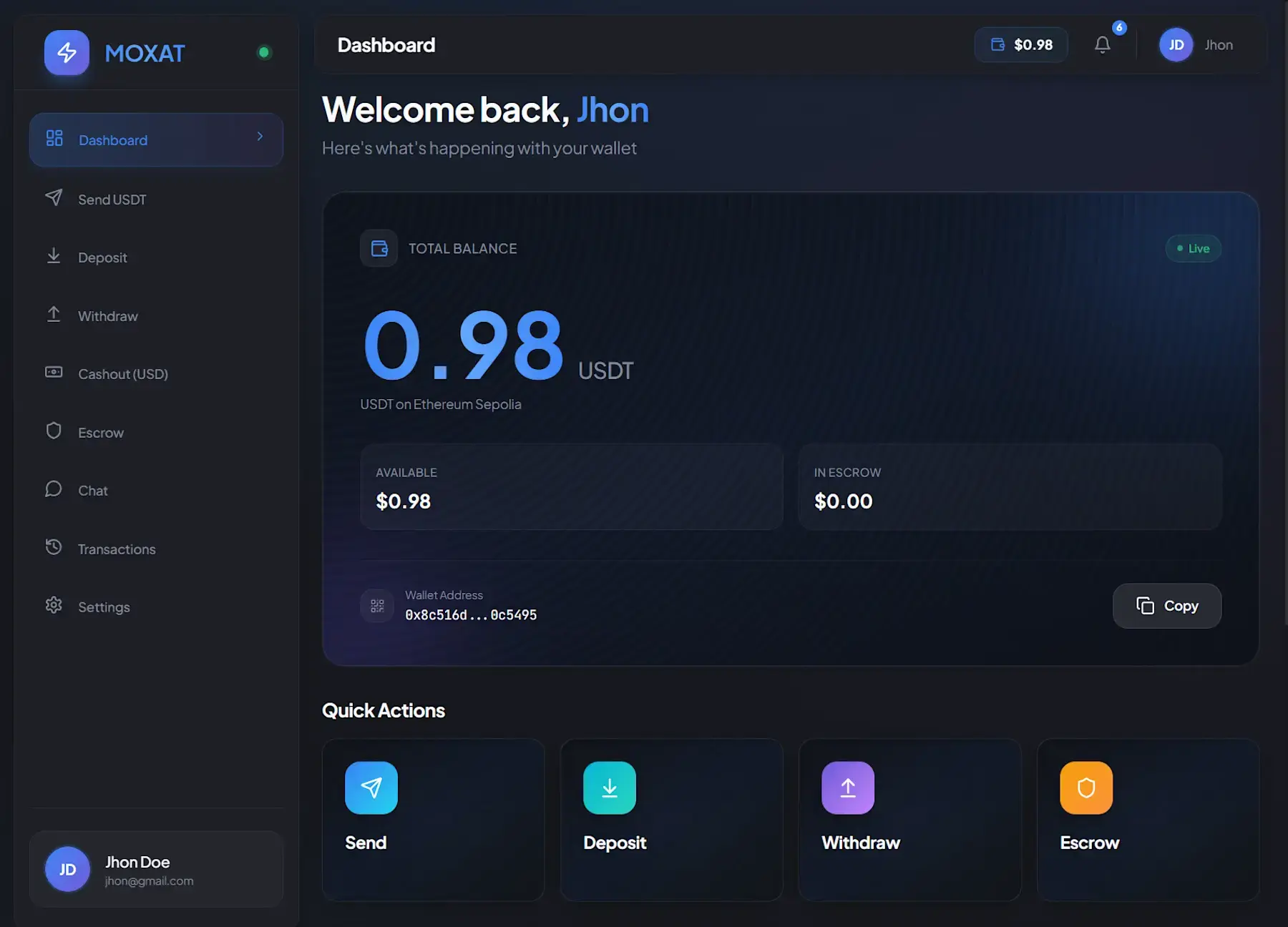
MOXAT
Custodial USDT payments and escrow for high-trust transactions — wallet infrastructure, automated escrow workflows, dispute-safe release. Money that moves only when the pattern says so.
DISPUTE PATH — FUNDS HOLD → ARBITRATED RELEASE
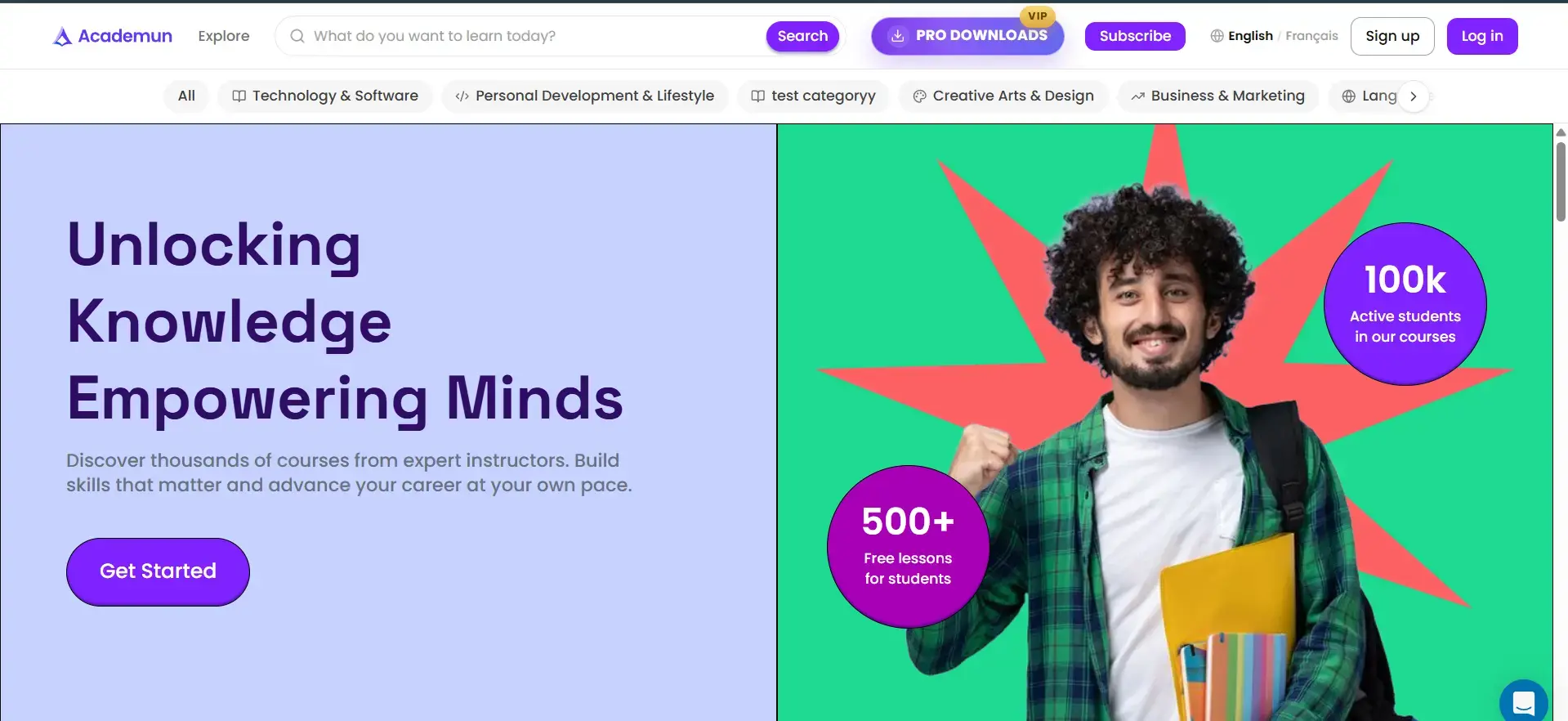
ACADEMUN
A large-scale LMS and video streaming platform taken over mid-crisis and stabilised in production — server recovery, Docker and Nginx deployment, FFmpeg pipeline optimisation. The build other people gave up on.
SEQUENCE — CRISIS TAKEOVER TO STABLE, LIVE IN PRODUCTION THROUGHOUT
STRAIGHT ANSWERS
How do you price custom builds?
Fixed scope gets a fixed quote — most platforms are billed in phased milestones on delivery. Ongoing work like Salesforce and integrations runs on a monthly retainer. You see the estimate broken down by module before anything is signed, and scope changes are re-quoted, not absorbed silently.
How long does a platform like this take?
A first usable release of a school, hotel or HRM platform typically lands in three to five months. Integrations set the schedule more than screens do — so we quote after the domain-mapping week, not before, and the estimate holds because it was earned.
Who owns the code and the data?
You do. Full IP assignment on final payment, repositories transferred to your accounts, your data in your database from day one. No lock-in, no proprietary runtime, no licence fees — if we part ways, any competent team can pick the system up from the docs.
What happens after launch?
Most teams keep us on a support retainer — monitoring, dependency updates, integration babysitting when a carrier or payment API changes underneath you. It is optional: handover includes runbooks and admin training, so your own people can operate the system. We would rather earn the retainer than force it.