
← ALL SERVICES · 08
UI/UX design
Research, systems and prototypes that survive contact with engineering — we design the interface and then sit with the team that builds it, until it ships.
FIGMA · STORYBOOK · REACT · TAILWIND
WHAT WE BUILD
Product research
We start with what users actually do — interviews, support tickets, session data — and write down what the interface must fix before anyone opens Figma.
Design systems
Tokens, components and usage rules built as a system, not a style-guide PDF — versioned in Figma and mirrored in code so drift has nowhere to hide.
Prototyping
Clickable prototypes at real fidelity — tested on actual users and thrown away cheaply when they fail, which is the point of prototypes.
Implementation alongside engineering
Designers stay through the build — reviewing PRs for spacing and states, adjusting specs when the browser disagrees, signing off on what actually renders.
UX audits
A structured pass over an existing product — where users stall, what the analytics say, and a ranked list of fixes ordered by effort against impact.
HOW IT RUNS
01
Research first
We watch users, read support logs and pull analytics — the output is a written problem list, not a mood board.
02
System before screens
Tokens and core components come first — every screen after that is assembly, and redesigns stop being demolition jobs.
03
Prototype and test
Clickable flows in front of real users early — wrong assumptions die in Figma, where they cost hours instead of sprints.
04
Build together
Designers sit in the engineering standup until launch — specs adjust against the real browser, and sign-off happens on rendered pixels.
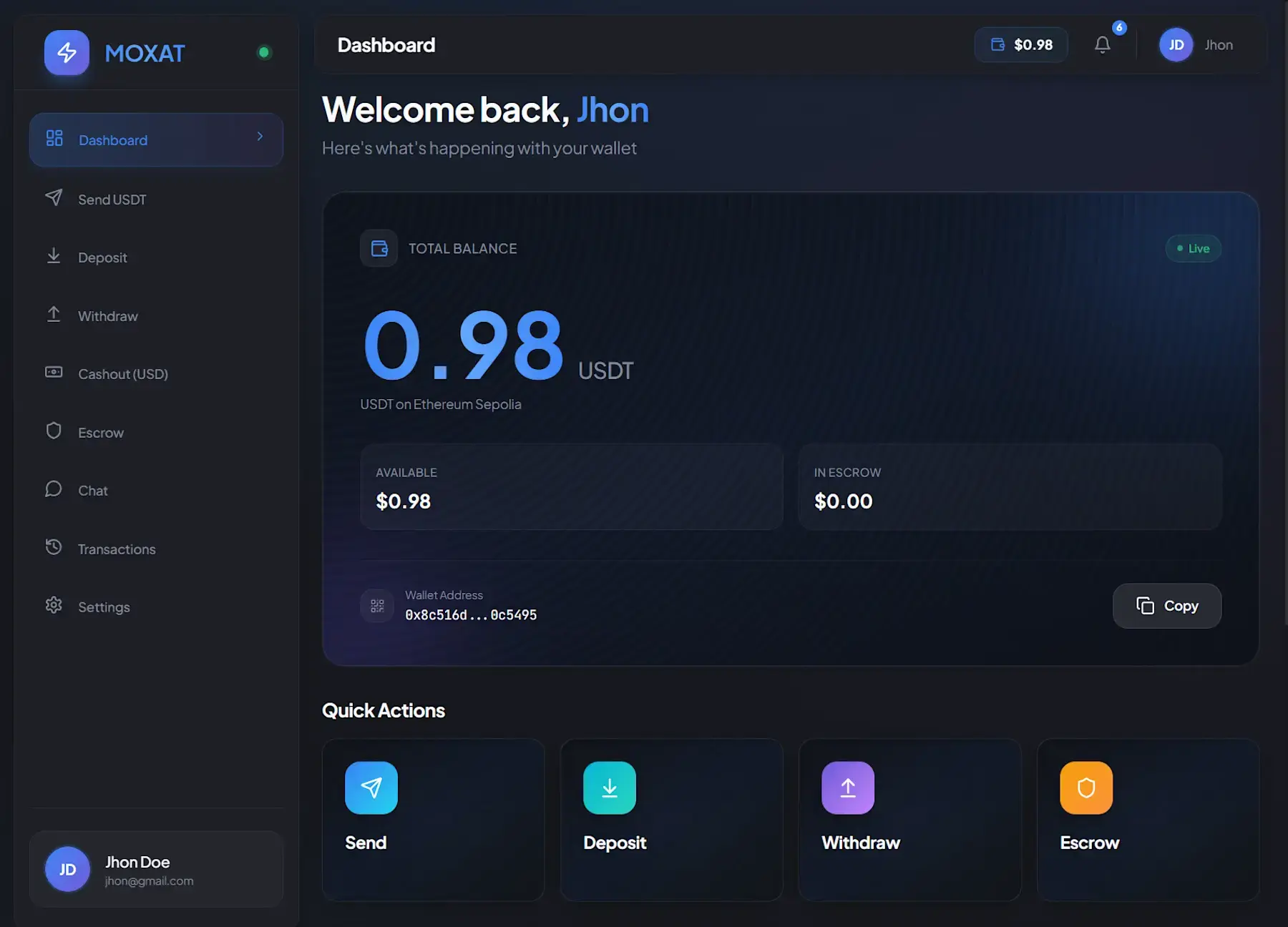
MOXAT
Custodial USDT payments and escrow for high-trust transactions — wallet infrastructure, automated escrow workflows, dispute-safe release. Money that moves only when the pattern says so.
DISPUTE PATH — FUNDS HOLD → ARBITRATED RELEASE
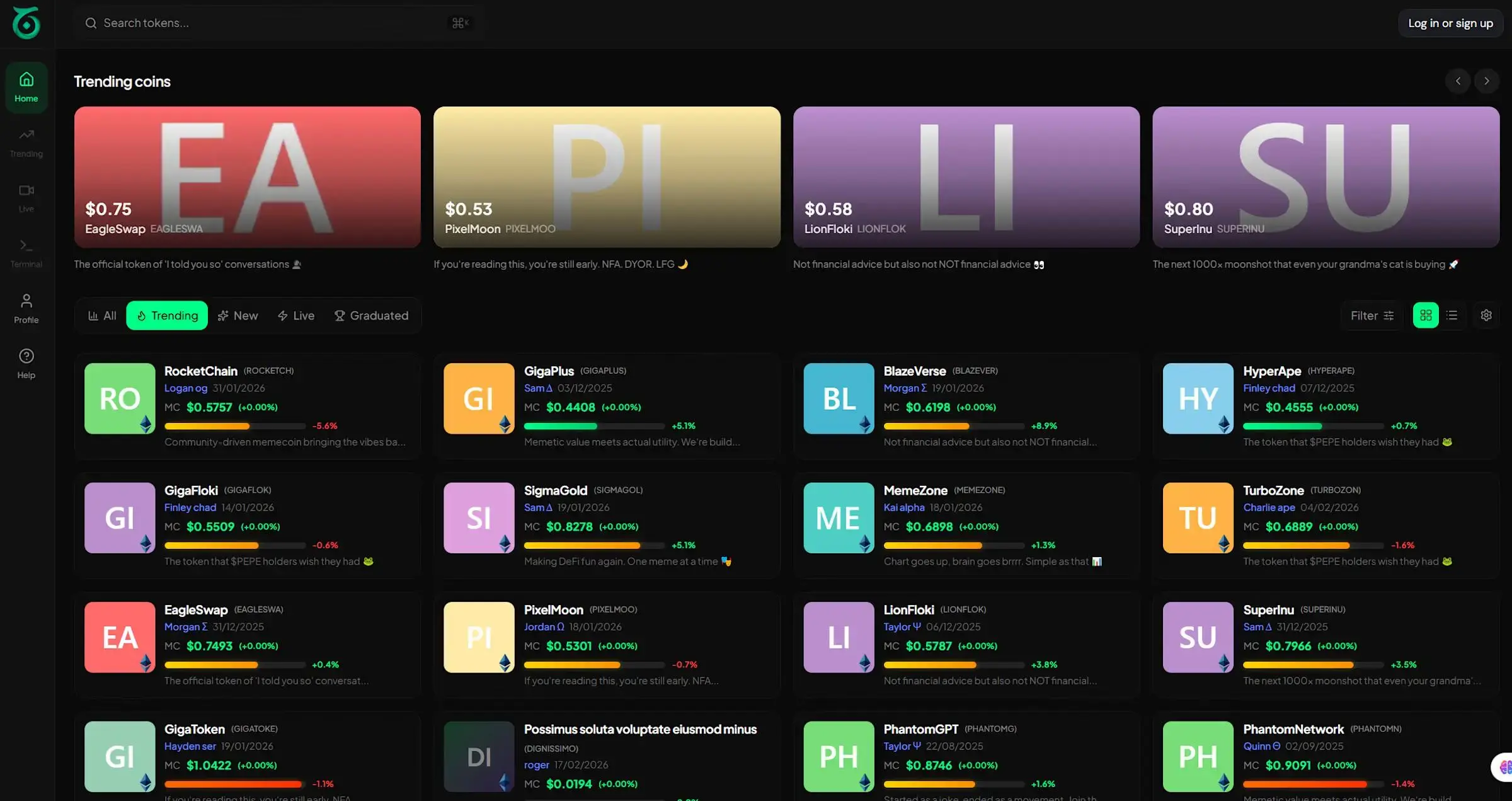
HYPEMINT
DeFi launch platform with bonding-curve pricing — supply and price discovered by the curve, not by a spreadsheet.
STRAIGHT ANSWERS
How do you price design work?
Fixed scope for audits and design systems, monthly retainer when designers embed with your engineering team. We quote after research, not before — pricing a redesign before understanding the product is how projects blow up. Every quote lists what's excluded, in writing.
Who owns the design files?
You do — Figma files, tokens, component libraries, research notes, all of it, transferred on final payment. We keep nothing behind an account you can't access. If your next team wants to change everything, they inherit organized files with named layers, not archaeology.
Do you hand off and leave, or stay through the build?
We stay. Handoff is where most design work dies, so our designers review implementation PRs, adjust specs against real browsers and sign off on rendered screens. The interfaces we designed for MOXAT, HYPEMINT and ARTHURMAURICE shipped inside the products — not as decks.
How long does an engagement run?
Depends on whether you need a focused audit or a full system. Research and a first tested prototype come early; the design system grows alongside the build rather than blocking it. We'd rather ship a smaller system engineering actually uses than a complete one nobody adopts.